Trumbull County property owners rely on accurate records for taxes, sales, refinancing, and legal matters. However, errors in property records are more common than you might think, often leading to overpaid taxes, misreported values, or delays during transactions. Understanding these mistakes and how to fix them can save homeowners time, money, and stress. Here are the top 10 common mistakes on Trumbull County property records with practical solutions.
1. Inaccurate Home Size Reporting
Why It Matters
Errors in square footage are one of the most frequent issues. If your property is recorded as larger or smaller than it actually is, your taxes could be inflated, and buyers might be misled during a sale. These mistakes often stem from outdated inspections, unreported renovations, or manual entry errors.
How to Correct It
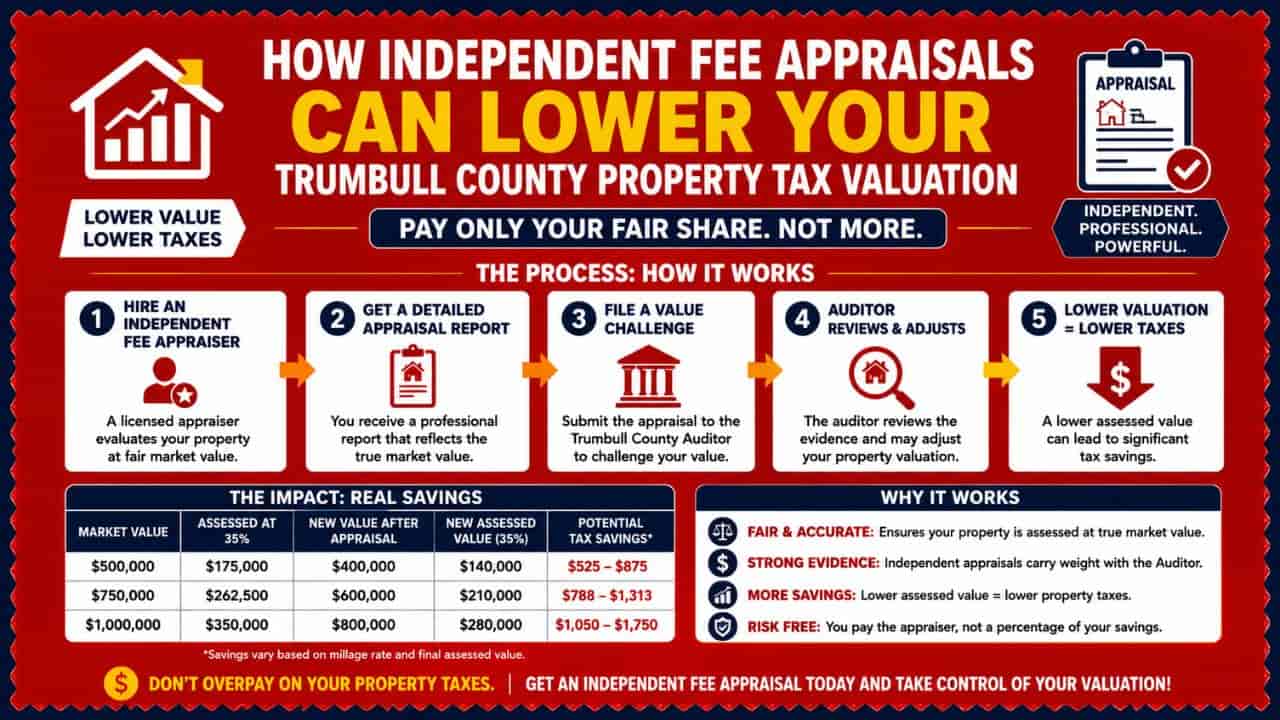
Hire a licensed appraiser or contractor to measure your property accurately. Gather supporting documents like floor plans, photos, or inspection reports, and submit them to the Trumbull County Auditor’s Office for correction. A re-inspection may be scheduled, and once verified, your property records will reflect the true size.
2. Incorrect Owner Information
Why It Matters
Mistakes in owner names can lead to missed tax notifications, legal disputes, or delays in refinancing. They usually occur after sales, inheritance transfers, or clerical errors in deed recording.
How to Correct It
Provide the Auditor’s Office with recorded deeds, probate documents, or executor papers. Once verified, the ownership details will be updated to reflect the correct owner.
3. Unrecorded Renovations or Changes
Why It Matters
Property improvements like new garages, finished basements, or removed structures may not be reflected in records. This can result in property value discrepancies and unfair taxation.
How to Correct It
Collect building permits, contractor invoices, or before-and-after photos and submit them to the Auditor’s Office. The county may inspect your property before updating the record to match its current state.
4. Wrong Land Classification
Why It Matters
Land misclassification such as residential marked as commercial—can cause excessive taxation or missed exemptions. Zoning updates, subdivisions, or recording errors often trigger this mistake.
How to Correct It
Review your property classification online. If incorrect, submit documentation like surveys, zoning certificates, or agricultural use proofs for review. Once approved, taxes will be recalculated accurately.
5. Miscounted Bedrooms or Bathrooms
Why It Matters
Incorrect room counts can inflate property value and cause confusion during refinancing or selling. Unpermitted additions or outdated inspections often create these errors.
How to Correct It
Hire a certified inspector or appraiser to verify room numbers. Submit photos, floor plans, and inspection reports to the Auditor’s Office to update your property record.
6. Property Boundary Discrepancies
Why It Matters
Boundary mistakes can spark disputes with neighbors, affect usable land, or misrepresent taxable value. Outdated surveys or mapping errors are usually responsible.
How to Correct It
Hire a licensed surveyor to create a current survey. Submit the survey and any past plat maps to the Auditor’s GIS department for record updates.
7. Missing Tax Exemptions
Why It Matters
Homeowners may miss out on valuable exemptions like Homestead or Senior Citizen credits. Unapplied exemptions lead to higher annual taxes.
How to Correct It
Check your exemptions online. Submit any missing exemption applications with required proof to the Auditor’s Office to reduce your tax bill.
8. Overstated Property Condition
Why It Matters
Property rated better than its actual condition may result in inflated tax assessments. Records might not reflect repairs, age, or wear and tear.
How to Correct It
Gather inspection reports, photos, and appraisals showing your home’s real condition. Submit a review request to the Auditor’s Office for adjustment.
9. Duplicate Property Entries
Why It Matters
Duplicate records can lead to confusion with taxes, assessments, and legal documents. They often appear after property splits or data updates.
How to Correct It
Notify the Auditor’s Office with parcel numbers and addresses. The office will merge or remove duplicates to ensure accurate recordkeeping.
10. Wrong Construction Year
Why It Matters
Incorrect construction dates impact depreciation, valuation, and taxes. Homes rebuilt after fires or remodels are especially prone to errors.
How to Correct It
Provide building permits, insurance claims, or contractor invoices to prove the correct year. Once verified, the Auditor will update your property record.
Conclusion “Mistakes on Trumbull County Property Records“
Ensuring the accuracy of property information is crucial for every homeowner or investor. By being aware of the top 10 common mistakes on Trumbull County property records, you can prevent legal issues, financial errors, and unnecessary disputes. Regularly reviewing and correcting these records helps maintain transparency and trust in county property management. Avoiding mistakes on Trumbull County property records safeguards your investments and ensures your property details are always accurate.
FAQs
1. How do I check my property record?
Go to the Trumbull County Auditor website and enter your address, parcel number, or owner name.
2. Who fixes errors on property records?
The Auditor’s Office handles corrections. Provide supporting documents like deeds, surveys, or inspection reports.
3. Can correcting errors lower my taxes?
Yes. Fixing wrong measurements, land type, or condition can reduce your assessed value and taxes.
4. How long does it take to update records?
Minor updates take a few weeks. Bigger fixes like surveys may take longer.
5. Do I have to pay for corrections?
Most corrections are free, but professional surveys or permits might cost extra.
6. How can I avoid mistakes on Trumbull County property records?
To avoid mistakes on Trumbull County property records, regularly review your property details, verify ownership and tax information, and promptly report any discrepancies to the county auditor’s office. This ensures accurate records and prevents potential legal or financial issues.