Understanding the Trumbull County Ohio Tax Guide System
The Trumbull County Tax system plays a major role in how property owners manage their financial responsibilities. Overseen by the Trumbull County Auditor, the tax structure determines how real estate, personal property, and motor vehicles contribute to local community services. From assessing property values to calculating levies, the auditor ensures every parcel is evaluated fairly and transparently. By understanding how Trumbull County Tax works, residents can better predict annual tax bills and benefit from available exemptions.
How Property Taxes Are Calculated in Trumbull County
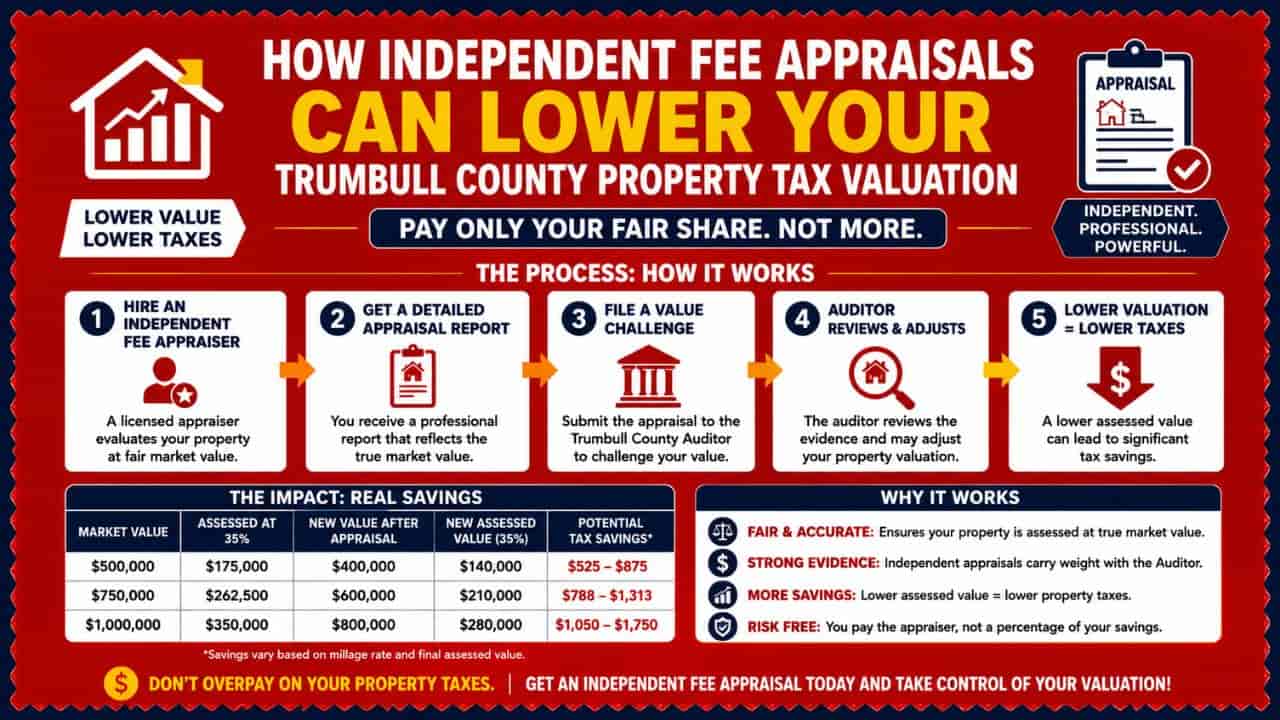
Every Trumbull County Tax bill is based on the property’s assessed value combined with mill rates approved by voters and set by local taxing districts.The Trumbull County Auditor determines each parcel’s market value, applies a 35% assessment ratio, and then calculates taxes according to school districts, cities, and township levies. This method ensures that homeowners across Warren, Niles, Girard, Hubbard, Cortland, Newton Falls, and surrounding areas pay taxes proportional to their property value and district services.
Role of the Trumbull County Auditor in the Tax Process
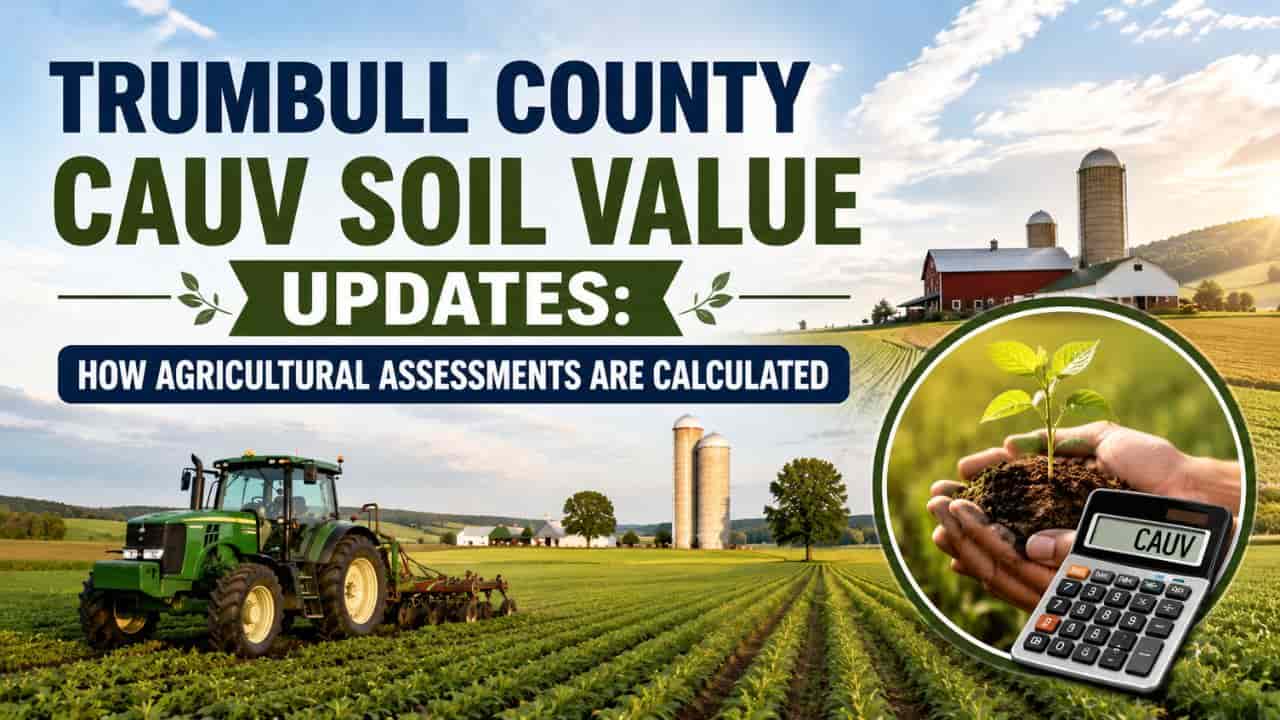
The auditor’s office manages multiple responsibilities within the Trumbull County Tax system. These include maintaining property records, updating valuations, managing the county’s tax duplicate, and ensuring accurate mill rate application. The office also handles exemptions such as Homestead Reduction, CAUV (Current Agricultural Use Value), and property value appeals. This ensures that residents receive a fair and transparent experience throughout the tax process.
Cities and Townships Covered Under Trumbull County Tax
The Trumbull County Tax framework covers every community within the county, including:
1. Warren
2. Niles
3. Girard
4. Hubbard
5. Cortland
6. Newton Falls
7. Liberty
8. Howland
9. Bristol
10. Bazetta
11. Champion
And all other townships and villages
No matter where a property is located, it is evaluated through the same standardized process under the Trumbull County Auditor’s oversight.
Why Understanding Trumbull County Tax Guide Is Important
Property taxes directly impact homeowners, investors, and businesses. Knowing how Trumbull County Tax assessments work helps residents manage budgets, prepare for yearly tax cycles, and make informed real estate decisions. Clear knowledge also helps property owners determine whether they qualify for tax reductions or if they should file an appeal for incorrect valuations.
Tools to Help You Navigate Trumbull County Tax Guide Information
Many property owners also connect Trumbull County Tax data with additional tools such as:
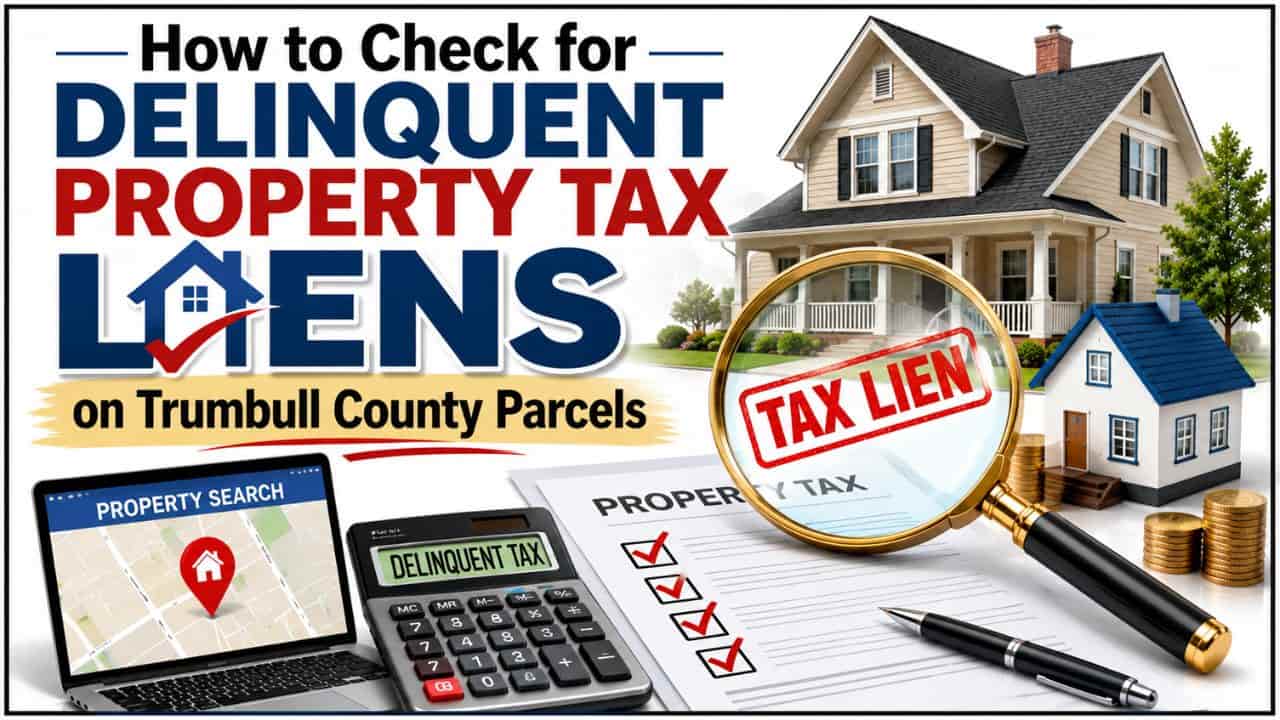
1. Property search platforms
2. Parcel maps
3. Auditor valuation records
4. Tax estimator tools
5. Levy breakdown charts
Offering these tools on your website enhances user experience and ensures visitors can quickly find what they need.
Conclusion
The Trumbull County Tax guide system is built on fairness, transparency, and accurate property valuation all managed by the Trumbull County Auditor’s Office. By understanding how tax assessments work, residents can navigate their financial responsibilities confidently and make informed decisions about their property. Whether you’re reviewing your tax bill, applying for exemptions, or researching valuation changes, having clear and reliable Trumbull County Tax information empowers you to stay in control of your property obligations.
FAQs About Trumbull County Tax
Who manages the Trumbull County Tax system?
The Trumbull County Auditor is responsible for determining values, managing tax records, and calculating property taxes.
How is my Trumbull County Tax bill calculated?
Taxes are based on your property’s assessed value (35% of market value) multiplied by local mill rates and levies.
Which areas are included in the Trumbull County Tax system?
All cities and townships, including Warren, Niles, Girard, Hubbard, Cortland, and Newton Falls.
Can I lower my property tax?
Yes. Homeowners may qualify for exemptions like Homestead Reduction, CAUV, or file a valuation appeal.
How often are property values updated?
Trumbull County performs reappraisals every six years and updates values in the third year (triennial update).
Where can I check my property tax information online?
You can view tax details, property values, and levy breakdowns through the Trumbull County Auditor’s website.